Best Preschool in Gurgaon: A Complete Guide to Choosing the Right Early Learning Programme
- Get link
- X
- Other Apps
Best Preschool in Gurgaon: A Complete Guide to Choosing the Right Early Learning Programme
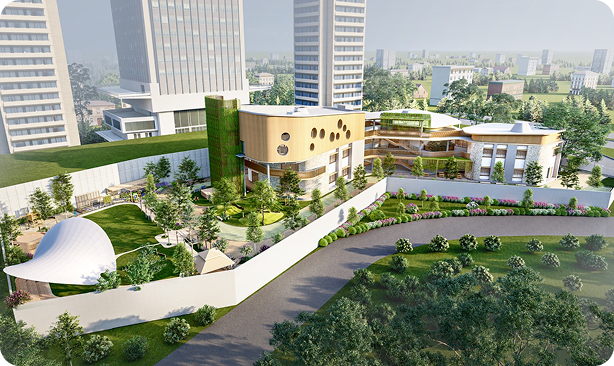
Early childhood education lays the foundation for a child’s future, and selecting the right preschool is one of the most important decisions parents make during the early years of a child’s life. The Best Preschool in Gurgaon should offer more than attractive classrooms and a convenient location. It should create a safe, engaging, and nurturing environment where children can learn, explore, communicate, and develop confidence.
The preschool years form the foundation for future learning. Children begin developing social skills, language abilities, emotional awareness, creativity, independence, and basic problem-solving skills. Therefore, parents should carefully evaluate the teaching approach, educators, safety standards, learning environment, and overall programme before making a decision.
This guide explains the key factors parents should consider when selecting an early learning programme in Gurgaon.
What Makes the Best Preschool in Gurgaon a Good Choice?
Every child is different. Some children learn quickly through activities, while others need more time and encouragement. A quality preschool recognises these differences and provides opportunities for children to learn at their own pace.
A strong early learning programme generally focuses on:
- Age-appropriate learning activities
- Social and emotional development
- Communication and language skills
- Creative expression
- Physical development
- Early mathematical and logical thinking
- Independent learning
- Positive behaviour and cooperation
- Safe and supportive classrooms
Parents should look beyond promotional claims and understand how these principles are implemented in everyday classroom activities.
A Child-Centred Learning Environment
A child-centred preschool places children at the heart of the learning process. Instead of expecting young learners to sit quietly for long periods, teachers encourage them to participate, ask questions, explore materials, and express their ideas.
Activities may include storytelling, music, art, role-play, building exercises, outdoor play, sensory experiences, and group projects.
This approach can make learning enjoyable while helping children develop confidence and curiosity.
Qualified and Caring Educators
Teachers have a major influence on a child’s preschool experience. Parents should observe how educators communicate with children during a school visit.
Look for teachers who:
- Speak respectfully with children
- Listen patiently
- Encourage questions
- Understand different learning styles
- Manage classroom behaviour positively
- Provide individual attention
- Create a warm and welcoming atmosphere
A caring teacher can help a child feel comfortable, especially during the initial transition from home to preschool.
Choosing an Early Learning Programme That Supports Holistic Development
Early education should not focus only on academic preparation. Young children need opportunities to develop multiple skills at the same time.
Social and Emotional Development
Children gradually learn how to share, cooperate, wait for their turn, express emotions, and interact with others. Preschool activities should provide regular opportunities for group participation and communication.
Teachers can support this development through:
- Group games
- Collaborative activities
- Storytelling
- Role-play
- Classroom responsibilities
- Guided conversations
These experiences can help children develop empathy, confidence, and emotional awareness.
Language and Communication Skills
Strong communication skills support future academic and social development. A good preschool should create an environment where children regularly hear, understand, and use language.
Story sessions, conversations, songs, picture books, and interactive activities can help children expand vocabulary and become more comfortable expressing themselves.
Creativity and Problem-Solving
Children naturally learn by experimenting. Preschool programmes should allow them to build, create, observe, compare, and discover.
Instead of always giving children a single correct answer, teachers can encourage them to think about different solutions. This supports curiosity and early problem-solving abilities.
How to Evaluate Preschool Curriculum and Teaching Methods
The curriculum is another important consideration when comparing preschools in Gurgaon. Parents should ask how learning objectives are translated into practical classroom experiences.
Learning Through Meaningful Experiences
Young children often understand concepts better when they can experience them rather than simply memorise information.
For example, a lesson about plants can involve observing leaves, planting seeds, discussing growth, drawing plants, and caring for a classroom garden.
This type of activity can connect learning with real-life experiences.
Balance Between Structured and Free Play
Both guided activities and free play have an important role in early childhood education.
Structured activities provide direction and introduce specific concepts. Free play gives children opportunities to make choices, negotiate with peers, imagine situations, and develop independence.
Parents should therefore look for a programme that provides a healthy balance between both.
Age-Appropriate Learning Goals
A preschool curriculum should match children’s developmental stages. Activities should challenge children without creating unnecessary academic pressure.
Parents can ask:
- What skills are expected at each age?
- How is children's progress observed?
- How are individual learning needs addressed?
- How much time is dedicated to play?
- How are parents informed about development?
Clear answers to these questions can provide valuable insight into the quality of the programme.
What Parents Should Check Before Selecting a Preschool in Gurgaon
A preschool may look impressive online, but visiting the campus can provide a much clearer picture.
Safety and Hygiene
Safety should always be a priority. During a school visit, parents should check:
- Entry and exit security
- Classroom supervision
- Cleanliness
- Washroom hygiene
- Safe furniture
- Play-area safety
- Emergency procedures
- First-aid arrangements
- Visitor management
The environment should be clean, organised, and suitable for young children.
Classroom Environment
Look at the classroom rather than focusing only on its decoration.
A good classroom should provide space for:
- Group interaction
- Individual activities
- Creative work
- Reading
- Movement
- Play
- Teacher-guided learning
Learning materials should be accessible and appropriate for the children’s age group.
Parent-Teacher Communication
Parents should also understand how the preschool communicates with families.
Regular communication can help parents understand their child’s:
- Learning progress
- Social development
- Classroom participation
- Strengths
- Areas requiring support
A transparent relationship between teachers and parents can make the early learning journey more effective.
Why the Right Preschool Environment Matters
The preschool environment can influence how children feel about learning. A welcoming atmosphere can help children become more comfortable with new experiences and social situations.
A thoughtfully designed programme should encourage children to:
- Ask questions
- Explore new ideas
- Communicate with others
- Try new activities
- Make age-appropriate choices
- Learn from mistakes
- Develop confidence
For parents considering Fuji Infinity International Preschool as an option, it is important to evaluate the actual learning environment, teaching practices, safety arrangements, and suitability for the individual child before making an enrolment decision.
How to Compare Preschools Before Admission
Parents can make the decision easier by creating a simple comparison checklist.
Consider these factors:
| Factor | What Parents Should Look For |
|---|---|
| Curriculum | Balanced, age-appropriate learning |
| Teachers | Qualified, caring, attentive educators |
| Safety | Secure and child-friendly environment |
| Activities | Play, creativity, exploration and interaction |
| Communication | Regular parent-teacher updates |
| Facilities | Clean, functional and age-appropriate spaces |
| Location | Reasonable travel time from home |
| Class Size | Appropriate teacher-child interaction |
| Child Comfort | Positive and welcoming atmosphere |
| Fees | Clear and transparent fee structure |
Comparing schools using the same criteria can help parents make a more objective decision.
Ask the Right Questions During a School Visit
Before admission, parents should speak directly with the school team.
Useful questions include:
- What teaching methodology does the preschool follow?
- How does the school support children who need additional attention?
- How much outdoor play is included?
- How are children’s developmental milestones observed?
- What safety procedures are followed?
- How frequently do teachers communicate with parents?
- What is the teacher-child ratio?
- How does the school handle separation anxiety?
- What does a typical school day look like?
The answers can reveal how seriously a preschool approaches early childhood development.
Finding the Best Preschool in Gurgaon for Your Child
There is no single preschool that is perfect for every child. The right choice depends on the child’s personality, learning needs, family priorities, location, budget, and preferred educational approach.
Parents should avoid choosing a preschool only because it has a popular name or attractive facilities. Instead, focus on the quality of everyday learning experiences.
A good preschool should combine:
- A nurturing environment
- Meaningful learning experiences
- Caring educators
- Safe facilities
- Balanced play and learning
- Strong communication with parents
- Opportunities for social and emotional growth
Most importantly, parents should observe how their child responds during a school visit. A child who feels safe, welcomed, and encouraged is more likely to engage positively with the learning environment.
Conclusion
Choosing the Best Preschool in Gurgaon requires careful research and a clear understanding of what your child needs during the early years. Look beyond advertisements and focus on curriculum quality, teacher interaction, safety, play-based learning, communication, and overall child development.
Visit shortlisted preschools, ask meaningful questions, observe classroom interactions, and compare programmes before making your final decision. The right early learning environment can give children a strong foundation for confidence, curiosity, independence, and lifelong learning.
Take the time to explore your options and choose a preschool where your child can feel secure, valued, and excited to learn.
Frequently Asked Questions
1. What age is generally suitable for preschool?
Preschool programmes commonly cater to children from around two to five years of age, depending on the programme and admission policy. Parents should select a level based on the child’s age and developmental readiness.
2. What should parents look for in a preschool curriculum?
Parents should look for an age-appropriate curriculum that balances early academics with play, creativity, communication, physical activity, social interaction, and emotional development.
3. Is play-based learning important in preschool?
Yes. Play gives young children opportunities to explore ideas, interact with others, solve simple problems, practise communication, and develop creativity in an engaging environment.
4. How important is the teacher-child ratio?
Teacher-child ratio can influence the amount of individual attention children receive. Parents should ask the preschool about its classroom structure and how educators support individual children.
5. Should parents visit a preschool before admission?
Yes. A campus visit can help parents evaluate classroom interactions, cleanliness, safety, facilities, teaching practices, and the overall atmosphere before making a decision.
6. How can parents help children transition into preschool?
Parents can prepare children by discussing school positively, establishing consistent routines, encouraging independence, and gradually helping them become comfortable with new environments and people.
The preschool years form the foundation for future learning. Children begin developing social skills, language abilities, emotional awareness, creativity, independence, and basic problem-solving skills. Therefore, parents should carefully evaluate the teaching approach, educators, safety standards, learning environment, and overall programme before making a decision.
This guide explains the key factors parents should consider when selecting an early learning programme in Gurgaon.
What Makes the Best Preschool in Gurgaon a Good Choice?
Every child is different. Some children learn quickly through activities, while others need more time and encouragement. A quality preschool recognises these differences and provides opportunities for children to learn at their own pace.
A strong early learning programme generally focuses on:
- Age-appropriate learning activities
- Social and emotional development
- Communication and language skills
- Creative expression
- Physical development
- Early mathematical and logical thinking
- Independent learning
- Positive behaviour and cooperation
- Safe and supportive classrooms
Parents should look beyond promotional claims and understand how these principles are implemented in everyday classroom activities.
A Child-Centred Learning Environment
A child-centred preschool places children at the heart of the learning process. Instead of expecting young learners to sit quietly for long periods, teachers encourage them to participate, ask questions, explore materials, and express their ideas.
Activities may include storytelling, music, art, role-play, building exercises, outdoor play, sensory experiences, and group projects.
This approach can make learning enjoyable while helping children develop confidence and curiosity.
Qualified and Caring Educators
Teachers have a major influence on a child’s preschool experience. Parents should observe how educators communicate with children during a school visit.
Look for teachers who:
- Speak respectfully with children
- Listen patiently
- Encourage questions
- Understand different learning styles
- Manage classroom behaviour positively
- Provide individual attention
- Create a warm and welcoming atmosphere
A caring teacher can help a child feel comfortable, especially during the initial transition from home to preschool.
Choosing an Early Learning Programme That Supports Holistic Development
Early education should not focus only on academic preparation. Young children need opportunities to develop multiple skills at the same time.
Social and Emotional Development
Children gradually learn how to share, cooperate, wait for their turn, express emotions, and interact with others. Preschool activities should provide regular opportunities for group participation and communication.
Teachers can support this development through:
- Group games
- Collaborative activities
- Storytelling
- Role-play
- Classroom responsibilities
- Guided conversations
These experiences can help children develop empathy, confidence, and emotional awareness.
Language and Communication Skills
Strong communication skills support future academic and social development. A good preschool should create an environment where children regularly hear, understand, and use language.
Story sessions, conversations, songs, picture books, and interactive activities can help children expand vocabulary and become more comfortable expressing themselves.
Creativity and Problem-Solving
Children naturally learn by experimenting. Preschool programmes should allow them to build, create, observe, compare, and discover.
Instead of always giving children a single correct answer, teachers can encourage them to think about different solutions. This supports curiosity and early problem-solving abilities.
How to Evaluate Preschool Curriculum and Teaching Methods
The curriculum is another important consideration when comparing preschools in Gurgaon. Parents should ask how learning objectives are translated into practical classroom experiences.
Learning Through Meaningful Experiences
Young children often understand concepts better when they can experience them rather than simply memorise information.
For example, a lesson about plants can involve observing leaves, planting seeds, discussing growth, drawing plants, and caring for a classroom garden.
This type of activity can connect learning with real-life experiences.
Balance Between Structured and Free Play
Both guided activities and free play have an important role in early childhood education.
Structured activities provide direction and introduce specific concepts. Free play gives children opportunities to make choices, negotiate with peers, imagine situations, and develop independence.
Parents should therefore look for a programme that provides a healthy balance between both.
Age-Appropriate Learning Goals
A preschool curriculum should match children’s developmental stages. Activities should challenge children without creating unnecessary academic pressure.
Parents can ask:
- What skills are expected at each age?
- How is children's progress observed?
- How are individual learning needs addressed?
- How much time is dedicated to play?
- How are parents informed about development?
Clear answers to these questions can provide valuable insight into the quality of the programme.
What Parents Should Check Before Selecting a Preschool in Gurgaon
A preschool may look impressive online, but visiting the campus can provide a much clearer picture.
Safety and Hygiene
Safety should always be a priority. During a school visit, parents should check:
- Entry and exit security
- Classroom supervision
- Cleanliness
- Washroom hygiene
- Safe furniture
- Play-area safety
- Emergency procedures
- First-aid arrangements
- Visitor management
The environment should be clean, organised, and suitable for young children.
Classroom Environment
Look at the classroom rather than focusing only on its decoration.
A good classroom should provide space for:
- Group interaction
- Individual activities
- Creative work
- Reading
- Movement
- Play
- Teacher-guided learning
Learning materials should be accessible and appropriate for the children’s age group.
Parent-Teacher Communication
Parents should also understand how the preschool communicates with families.
Regular communication can help parents understand their child’s:
- Learning progress
- Social development
- Classroom participation
- Strengths
- Areas requiring support
A transparent relationship between teachers and parents can make the early learning journey more effective.
Why the Right Preschool Environment Matters
The preschool environment can influence how children feel about learning. A welcoming atmosphere can help children become more comfortable with new experiences and social situations.
A thoughtfully designed programme should encourage children to:
- Ask questions
- Explore new ideas
- Communicate with others
- Try new activities
- Make age-appropriate choices
- Learn from mistakes
- Develop confidence
For parents considering Fuji Infinity International Preschool as an option, it is important to evaluate the actual learning environment, teaching practices, safety arrangements, and suitability for the individual child before making an enrolment decision.
How to Compare Preschools Before Admission
Parents can make the decision easier by creating a simple comparison checklist.
Consider these factors:
| Factor | What Parents Should Look For |
|---|---|
| Curriculum | Balanced, age-appropriate learning |
| Teachers | Qualified, caring, attentive educators |
| Safety | Secure and child-friendly environment |
| Activities | Play, creativity, exploration and interaction |
| Communication | Regular parent-teacher updates |
| Facilities | Clean, functional and age-appropriate spaces |
| Location | Reasonable travel time from home |
| Class Size | Appropriate teacher-child interaction |
| Child Comfort | Positive and welcoming atmosphere |
| Fees | Clear and transparent fee structure |
Comparing schools using the same criteria can help parents make a more objective decision.
Ask the Right Questions During a School Visit
Before admission, parents should speak directly with the school team.
Useful questions include:
- What teaching methodology does the preschool follow?
- How does the school support children who need additional attention?
- How much outdoor play is included?
- How are children’s developmental milestones observed?
- What safety procedures are followed?
- How frequently do teachers communicate with parents?
- What is the teacher-child ratio?
- How does the school handle separation anxiety?
- What does a typical school day look like?
The answers can reveal how seriously a preschool approaches early childhood development.
Finding the Best Preschool in Gurgaon for Your Child
There is no single preschool that is perfect for every child. The right choice depends on the child’s personality, learning needs, family priorities, location, budget, and preferred educational approach.
Parents should avoid choosing a preschool only because it has a popular name or attractive facilities. Instead, focus on the quality of everyday learning experiences.
A good preschool should combine:
- A nurturing environment
- Meaningful learning experiences
- Caring educators
- Safe facilities
- Balanced play and learning
- Strong communication with parents
- Opportunities for social and emotional growth
Most importantly, parents should observe how their child responds during a school visit. A child who feels safe, welcomed, and encouraged is more likely to engage positively with the learning environment.
Conclusion
Choosing the Best Preschool in Gurgaon requires careful research and a clear understanding of what your child needs during the early years. Look beyond advertisements and focus on curriculum quality, teacher interaction, safety, play-based learning, communication, and overall child development.
Visit shortlisted preschools, ask meaningful questions, observe classroom interactions, and compare programmes before making your final decision. The right early learning environment can give children a strong foundation for confidence, curiosity, independence, and lifelong learning.
Take the time to explore your options and choose a preschool where your child can feel secure, valued, and excited to learn.
Frequently Asked Questions
1. What is the right age for admission at Fuji Infinity International Preschool?
At Fuji Infinity International Preschool, children are typically eligible for preschool admission from around 2 to 5 years of age, depending on the program level (playgroup, nursery, or kindergarten). Parents searching for the right preschool in Gurgaon often look for age-appropriate learning environments, and Fuji Infinity International Preschool ensures each child is placed in a developmentally suitable group that supports early learning, social skills, and emotional growth.
2. What curriculum does Fuji Infinity International Preschool follow?
Parents exploring Fuji Infinity International Preschool usually want a curriculum that balances academics with overall development. The preschool follows a play-based, activity-driven curriculum that includes language development, early numeracy, creativity, motor skills, and social interaction. The focus is on making learning enjoyable while building strong foundational skills through hands-on experiences, storytelling, music, art, and group activities.
3. Does Fuji Infinity International Preschool use play-based learning?
Yes. At Fuji Infinity International Preschool, play-based learning is a core part of the teaching approach. Parents often search for preschools that encourage learning through play, and this method helps children develop problem-solving skills, communication, creativity, and confidence. Activities like role-play, puzzles, outdoor games, and sensory learning ensure children learn naturally in a stress-free environment.
4. What is the teacher-child ratio and safety standard at Fuji Infinity International Preschool?
One of the most common concerns parents have when choosing Fuji Infinity International Preschool is safety and individual attention. The preschool maintains a low teacher-child ratio to ensure personalized care for every child. Classrooms are supervised, child-friendly, and designed with safety in mind. Many parents also look for features like CCTV monitoring, secure entry systems, and hygienic classrooms, which are part of the school’s safety-focused environment.
5. Can parents visit Fuji Infinity International Preschool before admission?
Yes. Parents are encouraged to visit Fuji Infinity International Preschool before finalizing admission. Most parents searching for preschools in Gurgaon want to see classrooms, meet teachers, understand facilities, and check hygiene and safety standards. A school visit helps parents evaluate the learning environment, teaching methods, and overall comfort level for their child before enrollment.
6. How does Fuji Infinity International Preschool help children adjust to preschool life?
At Fuji Infinity International Preschool, special attention is given to helping children transition smoothly from home to school. Parents often search for ways to manage separation anxiety, and the preschool supports this through a warm, welcoming environment, gradual settling-in sessions, and engaging classroom activities. Teachers encourage independence, emotional comfort, and routine-building so that children feel safe, confident, and happy in their new learning space.
- Get link
- X
- Other Apps
Comments
Post a Comment